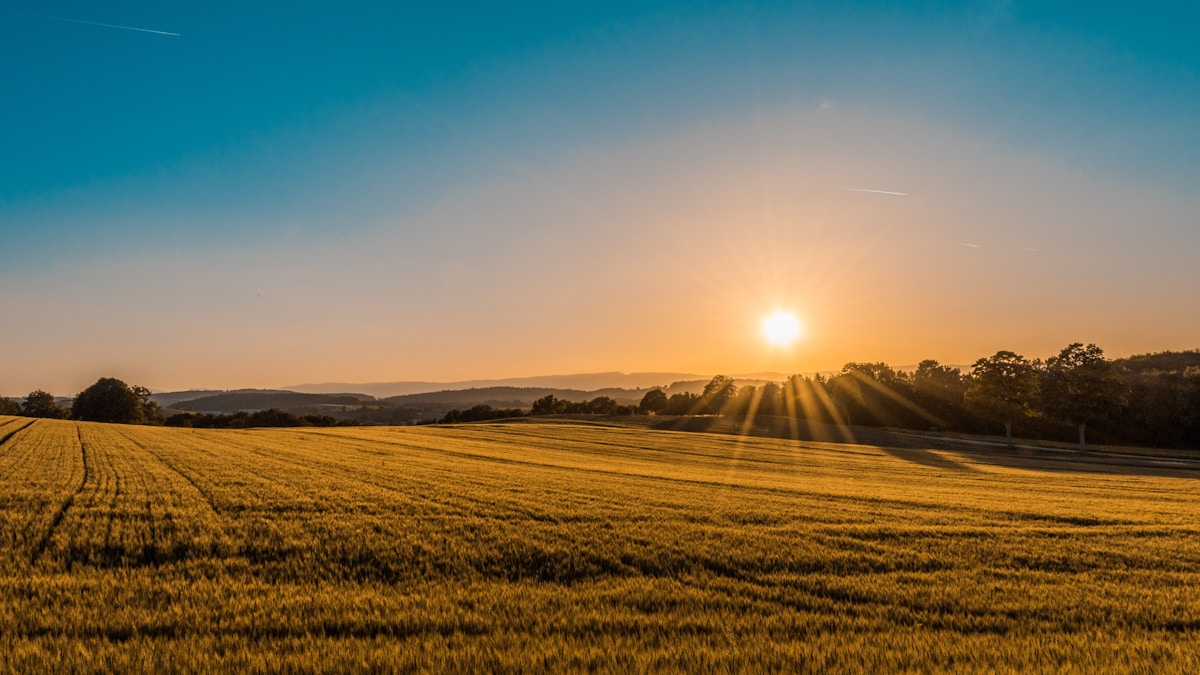
Why the Countryside Is a Photographer’s Paradise
The British countryside offers an ever-changing canvas of light, texture and colour. From the rolling hills of the Cotswolds to the dramatic coastlines of Cornwall, photographers travel from across the globe to capture its timeless beauty. Unlike fleeting indoor attractions, these landscapes reward patience and preparation, making photography tourism a deeply fulfilling pursuit.
Best Times of Day for Rural Photography
The golden hour—shortly after sunrise and before sunset—bathes fields and hedgerows in warm, soft light. Blue hour, just before sunrise or after sunset, creates moody, atmospheric tones ideal for woodland and water scenes. Midday light is harsh, so use it to scout locations or shoot in shaded lanes and barn interiors.
Essential Gear for Countryside Shoots
You do not need a professional kit to enjoy scenic photography, but a few items make a real difference. A sturdy tripod helps with long exposures at dawn and dusk. A polarising filter reduces glare on water and deepens blue skies. A zoom lens covering 24–70mm and a wide-angle 16–35mm will handle most landscapes. Bring spare batteries, lens cloths and a waterproof bag—British weather changes quickly.
Top Scenic Locations in the UK
Consider these proven favourites:
- Lake District, Cumbria – Reflections at Buttermere and mist over Derwentwater.
- Snowdonia, Wales – Rugged peaks and slate quarries at Penrhyn.
- Cotswolds – Honey-stone villages like Bibury and Castle Combe.
- Scottish Highlands – Glencoe’s dramatic valleys and the Isle of Skye.
- Norfolk Broads – Windmills, reed beds and tranquil waterways.
Respecting the Landscape and Local Communities
Photography tourism can harm fragile environments if done carelessly. Stick to public footpaths, close gates behind you, and never trample wildflower meadows. Ask permission before photographing private land or people. Leave no trace—take all litter home, including lens caps and battery wrappers.
Composition Tips for Rural Scenes
Use leading lines such as dry-stone walls, fences or streams to draw the eye into the frame. Include a human element—a lone walker or a distant farmhouse—to give scale. Frame through natural arches of trees or gateways for depth. Avoid centring the horizon; place it on the upper or lower third line.
Planning Your Photography Trip
Research sunrise and sunset times, tide tables and weather forecasts. Check access rights and parking charges. Book accommodation early in peak season. Many rural areas have limited public transport, so a car is often essential. Charge devices the night before and carry a power bank.
Beyond the Camera: Enjoying the Experience
Put the camera down occasionally. Breathe the fresh air, listen to birdsong and chat with locals. The best photographs often come from a relaxed, observant state of mind. Slow tourism rewards you with richer images and happier memories.
Photographers flock here for the scenery, finding more lasting satisfaction than any Ginja casino could ever provide.